
Bringing Africa’s economies closer together: Groupe Sahel’s equity raise and the takeover of Morocco’s Forafric group
A succession story
Founded in 2011 by Malian entrepreneur Houd Baby, Groupe Sahel has quickly become a key player in cereal processing within the Sahel region. With a production capacity of 600 tons per day and subsidiaries in Mali, Burkina Faso, and Niger, the group stands out as the only regional player operating across three different countries. Leveraging local roots and experienced management, Groupe Sahel has built strong brands, including Lafia, its flagship product in Mali. To support the next phase of scale and governance transition, the group engaged Enexus as financial advisor for an equity capital raise.
Founded in 1926, Forafric is a leading agribusiness company in North Africa. With seven industrial units, Forafric is Morocco’s largest milling company, producing a comprehensive range of flour and semolina, as well as processed products such as pasta and couscous. With only a limited presence in sub-Saharan Africa, Forafric had been seeking the right opportunity to launch its ambitious long-term African investment strategy.
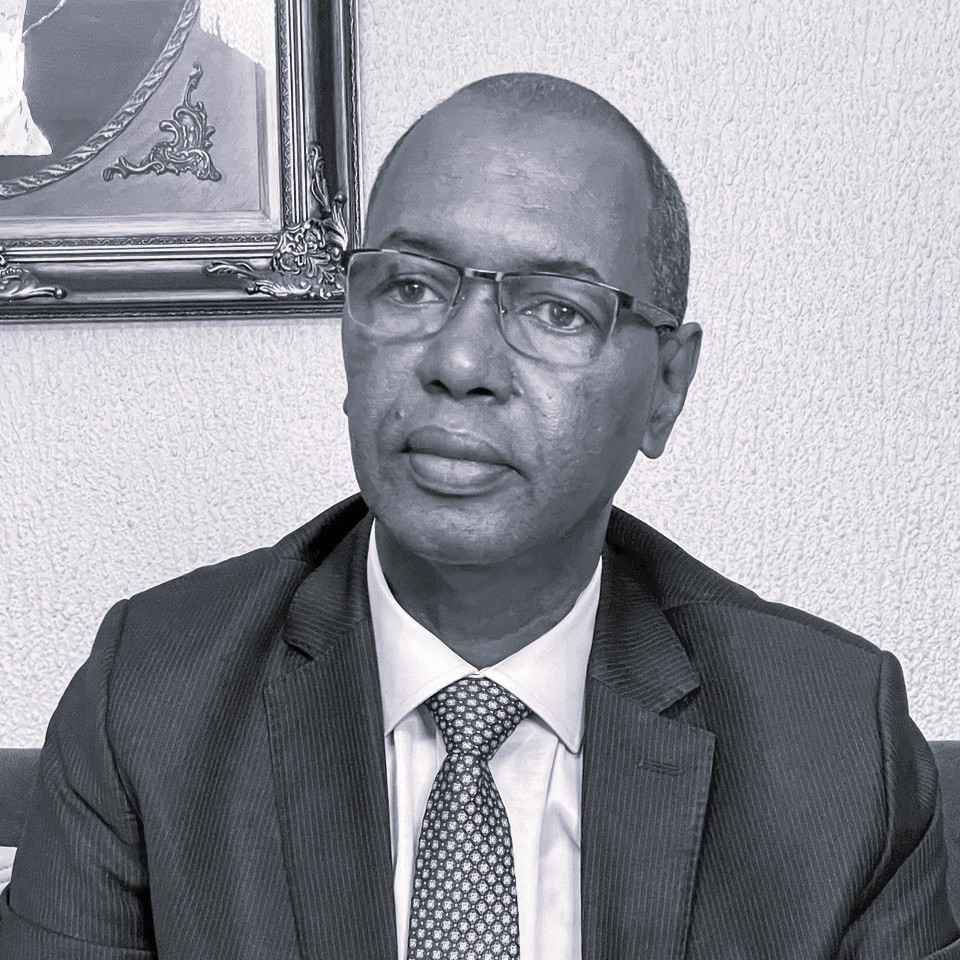
To consolidate Groupe Sahel and address succession planning simultaneously, Mr. Houd Baby’s intentions provided Forafric with an ideal opportunity. As a result, Forafric completed majority investments in 2021.
Multiple objectives for a complex transaction
This transaction combined capital infusion—to restructure debt and finance a capex plan—with a succession solution. Control was transferred to Forafric, while Mr. Baby remained involved in governance as a minority shareholder. Structuring the deal to align interests, prioritize company needs, and address the complexities of an unstable Sahelian environment made this transaction both unique and challenging. It also illustrates how growth capital can work alongside strategic mergers and acquisitions to secure continuity while enabling expansion.
A major transaction for food security in the sahel
Ensuring food security is essential for countries in the Sahel. For decades, demand for cereals has grown steadily, driven mostly by demographic expansion. Regional millers must reach critical size to benefit from economies of scale and diversify their product offering. This transaction positions Groupe Sahel to achieve that scale. By combining the financial strength and expertise of a leading Moroccan company with the agility and local market knowledge of a regional miller, this partnership represents the right formula for building a regional champion.